
Cable insulation provides electrical separation between the conductors of a cable and between conductors and earth. Many insulation materials have been used during the development of power cables, but modern cable design tends to group common materials into two broad families: thermoplastic and thermosetting insulation.
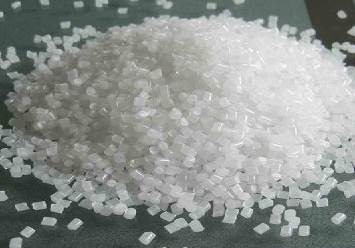
Thermoplastic and thermosetting insulation
Although there are many cable insulation compounds, they are often divided into two general types: thermoplastic and thermosetting. For example, current-carrying capacity calculations in the UK Wiring Regulations commonly distinguish between thermoplastic and thermosetting cables.
Thermoplastic materials
Thermoplastic materials are composed of molecular chains. Polyethylene is one example. When heat is applied, the added energy allows bonds between chains to separate, so the material can flow, melt and be reformed.
Thermosetting materials
Thermosetting materials are formed when materials such as polyethylene undergo specific heating or chemical processes. During this process, the individual molecular chains become cross-linked, creating a more rigid structure.
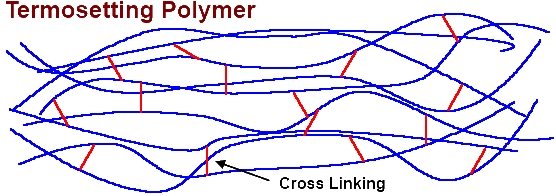
Once formed, thermosetting materials cannot be reheated, melted and remoulded in the same way as thermoplastic materials. Thermoplastic materials have the advantage of being reformable, while thermosetting materials are generally more heat resistant and have greater mechanical strength.
Operating temperature and current rating
The operating temperature of a cable is an important parameter when determining its maximum allowable current. Although actual temperature limits depend on the material used, practical current-rating methods often use two common insulation temperature limits:
| Insulation type | Common current-rating temperature |
|---|---|
| Thermoplastic | 70 °C |
| Thermosetting | 90 °C |
More detailed calculations based on actual material properties are possible. In many practical applications, however, 70 °C and 90 °C ratings are used with the methods set out in the relevant wiring regulations or cable standards.
Related insulation material topics
The original knowledge base also includes more specific insulation material topics. These are good candidates for later migration and possible consolidation into this parent article or a linked insulation-materials guide.
- Elastomeric materials
- Halogen-free compounds
- High-temperature materials
- Other insulation materials
- PE insulation
- PVC insulation
- Estimating cable life
For IEC cable construction standards that specify extruded insulation systems by voltage range, see IEC 60502 vs IEC 60840.